.svg)
-1.svg)


.jpg)
May is Asian American and Pacific Islander Heritage Month — a meaningful time to celebrate the diversity, creativity, and influence of Asian and Asian American cooking.
If you typically reach for canola, peanut, or vegetable oil, here’s some good news: olive oil works just as well in most Asian food recipes. It handles common home-cooking temperatures, blends well with bold ingredients like garlic, ginger, chilies, scallions, soy sauce, and sesame oil, and offers a heart-healthy, polyphenol-boosted fat option many home cooks already have in the pantry.
From stir-fries and fried rice to dumplings and crispy vegetables, olive oil can handle the heat, won’t overpower flavors, and offers a heart-healthy alternative to common cooking oils.
Can I Use Olive Oil to Cook Asian Food?
Can you use olive oil to cook Asian food? Yes. While olive oil is not traditional in many Asian cuisines, it works well in many Asian and Asian-inspired recipes, including stir-fries, fried rice, dumplings, noodles, curries, sautéed vegetables, and pan-fried dishes.
In most cases, you can swap it 1:1 in:
- Stir-fries
- Fried rice
- Dumplings
- Noodles
- Sautéed vegetables
- Curries
- Pan-fried or shallow-fried dishes
Is Extra Virgin Olive Oil Good for Stir-Frying?
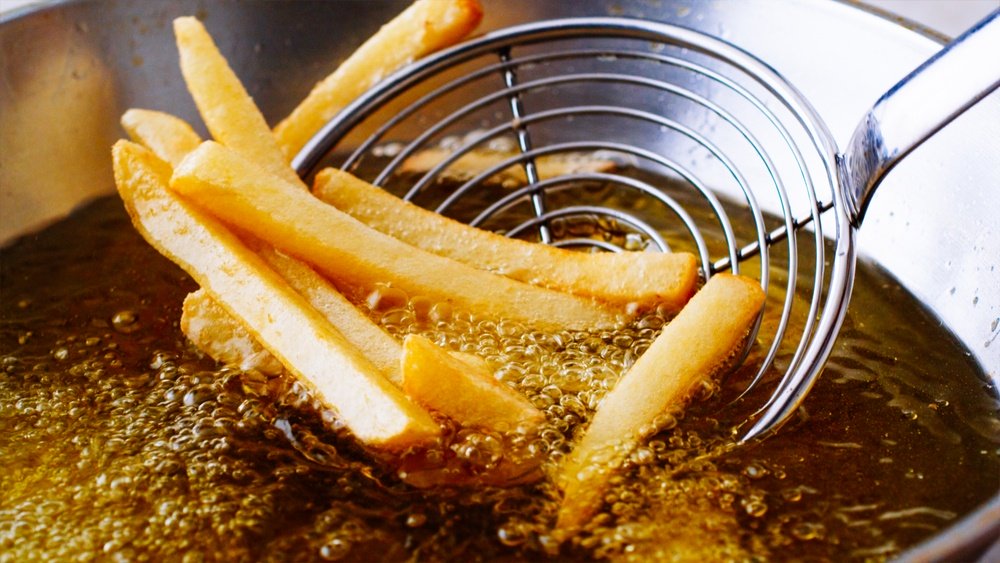
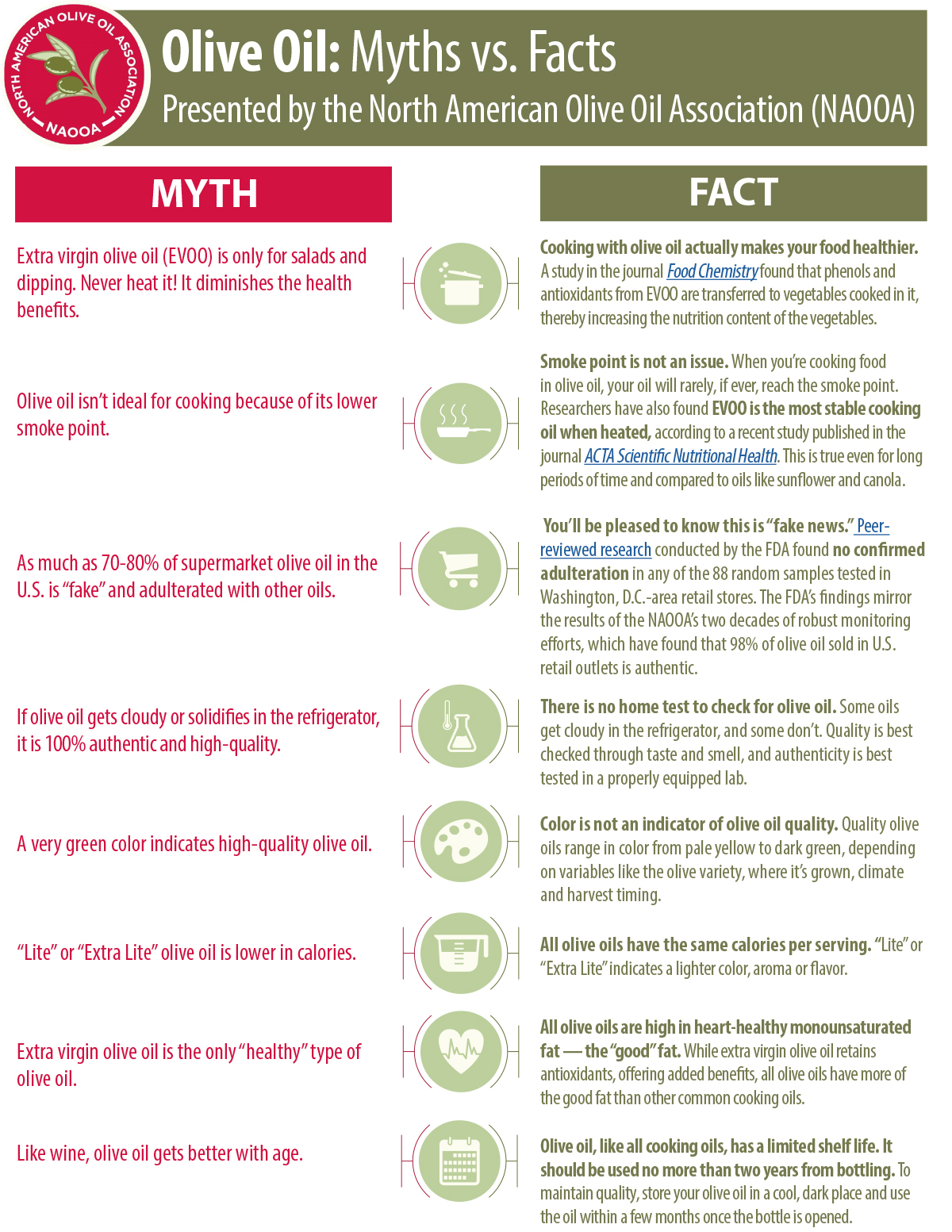
Many cooks believe that Asian recipes are cooked at extremely high temperatures and worry about olive oil's smoke point. Despite common myths, all types of olive oil perform well at stir-frying temperatures typically between 350°F and 400°F. Thanks to its high monounsaturated fat content and antioxidants especially in extra virgin, olive oil remains stable during sautéing, pan-frying, and most frying methods used in home kitchens.
Will Extra Virgin Olive Oil Make Asian Food Taste Like Olives?
A frequent concern is that olive oil flavor will clash with Asian flavors. In practice:
- Aromatics like garlic, ginger, and chilies blend well with the flavor of extra virgin olive oil
- Extra-virgin olive oil becomes milder when heated
- If you want a truly neutral cooking oil, choose refined olive oil (the label will most likely say "olive oil," "light olive oil," or "light-tasting olive oil")
Chef Nan Hongwiwat, a Thai chef, says, "Believe me, I have put olive oil to the test with my Thai repertoire! From Massaman to Kai Jiao, and from Muu Ping to Krapow, I use olive oil and it doesn’t change the taste of my Thai food – in fact, it enhances the flavours of the food."
What Type of Olive Oil Should I Use for Asian Food?
- Extra virgin olive oil: Best for stir-fries, sautéed vegetables, noodles, fried rice, dumplings, and finishing sauces.
- Regular olive oil or light-tasting olive oil: Best when you want a more neutral flavor. Good for higher-heat frying.
- Avoid wasting expensive finishing oils on deep frying; save premium oils for drizzling or dipping.
Is Olive Oil Healthier Than Vegetable Oil?
Extra virgin olive oil contains monounsaturated fats and antioxidants, making it a widely recommended cooking fat for health. If you’re already using it for Mediterranean dishes, there’s no reason not to use it for Asian recipes too.
Olive oil is made up of good fat, which is why the FDA recognizes it as a great choice for heart health. A recent study by the Harvard School of Public Health found that replacing less healthy fats like butter with olive oil resulted in a 15% lower risk of cardiovascular disease overall and a 21% lower risk of coronary artery disease specifically.
Best Asian-Inspired Recipes to Make with Olive Oil
-
Dumplings - Dumplings or potstickers can be pan-fried or deep-fried in extra virgin olive oil
-
Fried meat dishes - Korean fried chicken, karage, General Tso's chicken, and pork katsu can all be fried in olive oil
-
Stir-Fried Noodles - Perfect for sautéing aromatics and tossing noodles to prevent sticking.
-
Fried Rice - Coats the wok evenly and produces light, separate grains.
-
Stir-Fried Greens - Ideal for bok choy, Chinese broccoli, or green beans.
-
Pakora, tempura, and other deep-fried vegetables - Olive oil produces the perfect crisp
Respecting Tradition While Embracing Innovation
Asian American cooking has always been dynamic — shaped by migration, adaptation, and creativity. Ingredients change as families settle in new places, but the spirit of the cuisine remains.
Chef Tian Qiuming of Beijing’s Great Wall Hotel has described olive oil as “perfect for cooking Chinese food,” particularly for braising and clay-pot dishes — an example of how culinary traditions evolve while honoring their roots.
Subhasree Ray, a public health nutritionist, tells her readers, "Don't worry, olive oil is perfectly suited to Indian cooking".
So, can you use olive oil to cook Asian food? Yes. Olive oil may not be traditional in every Asian cuisine, but it is a practical, flavorful, and heart-healthy cooking oil that works beautifully in many Asian and Asian-inspired dishes. From fried rice and stir-fried noodles to dumplings, curries, crispy vegetables, and pan-fried meats, olive oil can help home cooks celebrate these flavors with an ingredient they already know and trust.
 The North American Olive Oil Association is committed to supplying North American consumers with quality products in a fair and competitive environment; to fostering a clear understanding of the different grades of olive oil; and to expounding the benefits of olive oil in nutrition, health, and the culinary arts. | © North American Olive Oil Association. All Rights Reserved.