.svg)
-1.svg)


.jpg)
You’ve probably heard this advice for buying extra virgin olive oil: “Make sure it’s first cold pressed.”
The phrase “first cold pressed” makes it sound like olive oil is made through multiple rounds of pressing, and only the first round produces the good stuff. But that’s not really how most olive oil is made today.
Let’s clear it up.
Is “First Cold Pressed” Better?
It may surprise you, but the answer is no because all extra virgin olive oil is, by definition, “first cold-pressed.”
FIRST: If it is labeled as extra virgin, you can be sure that the olive oil is from the first extraction whether it says so or not. Olive oil from a second extraction would never meet the strict requirements for being labeled as "extra" virgin.
COLD: Extra virgin olive oil must be produced at temperatures below 80.6°F. While you may say that is not necessarily cold, the key thing is that is it not "hot." High-heat extraction methods, such as those used for seed oils, destroy flavor and impact chemistry in a way that would disqualify the oil from being graded extra virgin.
So “first cold pressed” may help distinguish extra virgin olive oil from some seed oils, such as canola, vegetable, corn, or soy oils, which may be extracted using high heat and/or chemical solvents. But it does not distinguish one extra virgin olive oil from another.
Most Olive Oil Today Is Not Pressed
There’s another wrinkle: the word “pressed” is outdated.
It comes from a time when olive oil was commonly extracted using presses. Today, the vast majority of olive oil is not made that way.
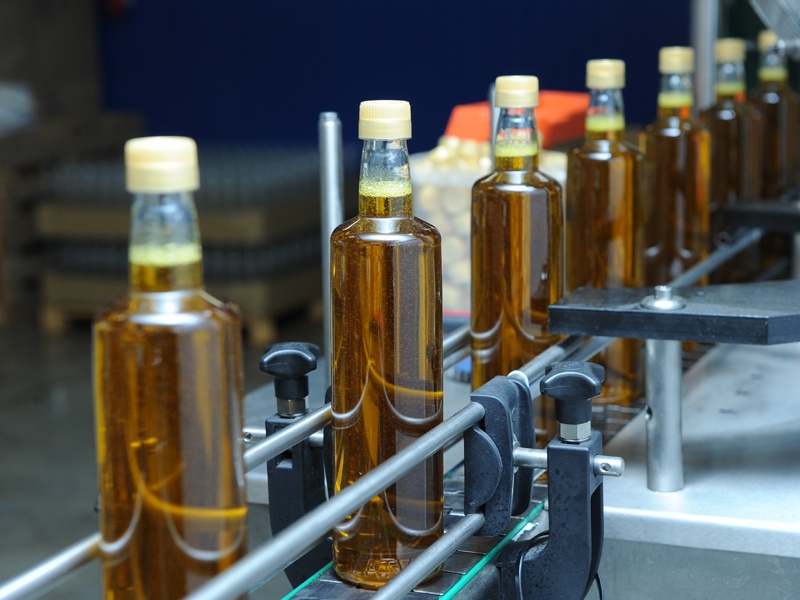
Modern olive oil production usually looks more like this:
- Olives are harvested.
- They are washed.
- They are crushed into a paste using a hammer mill (not stone wheels).
- The paste is gently mixed.
- The oil is separated using a centrifuge (sometimes referred to as a centrifugal pressing).
So while “pressed” is still a familiar word, most modern olive oil is not literally pressed between mats as in the past.
Kind of like how wine is no longer made by people stomping grapes with their feet. Modern production methods are cleaner, faster, more controlled, and better suited to preserving quality.
The same is true for olive oil.
Today’s producers can crush olives quickly after harvest, manage temperature, reduce oxygen exposure, separate the oil efficiently, and keep the process more consistent and sanitary. All of that helps protect freshness, flavor, and quality.
What Happens After Olive Oil Is Extracted?
After olive oil is extracted, it is graded.
If it meets the required chemical and sensory standards, it can be sold as extra virgin olive oil or virgin olive oil, depending on its quality. Extra virgin is the highest grade.
If an olive oil does not meet the standards for virgin olive oil, it can be refined. Then some virgin or extra virgin olive oil is usually added back for flavor and color.
That product may be sold as:
- Olive oil
- Pure olive oil
- Light tasting olive oil
These are still real olive oils. They are just not extra virgin olive oils.
Regular Olive Oil Is Not “Second Press” Olive Oil
This is one of the biggest misunderstandings. While regular olive oil could come from a second pressing, what makes it regular "olive oil" is the fact that it contains refined olive oil, which is process by which a virgin olive that doesn't qualify as "extra" might be processed to remove off flavors and colors, rendering it neutral tasting.
After olive oil is extracted, there is leftover material: olive pulp, skins, bits of pit, and a small amount of remaining oil. Oil made from that leftover material is called olive pomace oil.
So the categories you will typically find in a store are:
-
Extra virgin olive oil - the highest grade
-
Olive oil - refined olive oil blended with some virgin or extra virgin olive oil
-
Olive pomace oil - made from the leftover olive material after the main extraction.
So, Why Do Labels Still Say “First Cold Pressed”?
Because consumers have been taught to look for those words.
For years, “first cold-pressed” became shorthand for “good olive oil.” Brands know people recognize the phrase, so some still use it on labels.
But when you see “first cold pressed” on a bottle of extra virgin olive oil, it does not necessarily tell you that the oil is better than another extra virgin olive oil without those words.
The Bottom Line
“First cold pressed” sounds important, but for extra virgin olive oil, it is redundant.
All extra virgin olive oil is extracted without high heat or chemical solvents, and it won't qualify as "extra virgin" if it comes from a second extraction. And most olive oil today is not literally pressed at all — it is separated using a centrifuge.
Regular olive oil is not a “second press.” Olive pomace oil is a separate product made from the leftover olive material after the main extraction.
If you are looking for the highest grade of olive oil available, just look for the words extra virgin olive oil.
 The North American Olive Oil Association is committed to supplying North American consumers with quality products in a fair and competitive environment; to fostering a clear understanding of the different grades of olive oil; and to expounding the benefits of olive oil in nutrition, health, and the culinary arts. | © North American Olive Oil Association. All Rights Reserved.