.svg)
-1.svg)


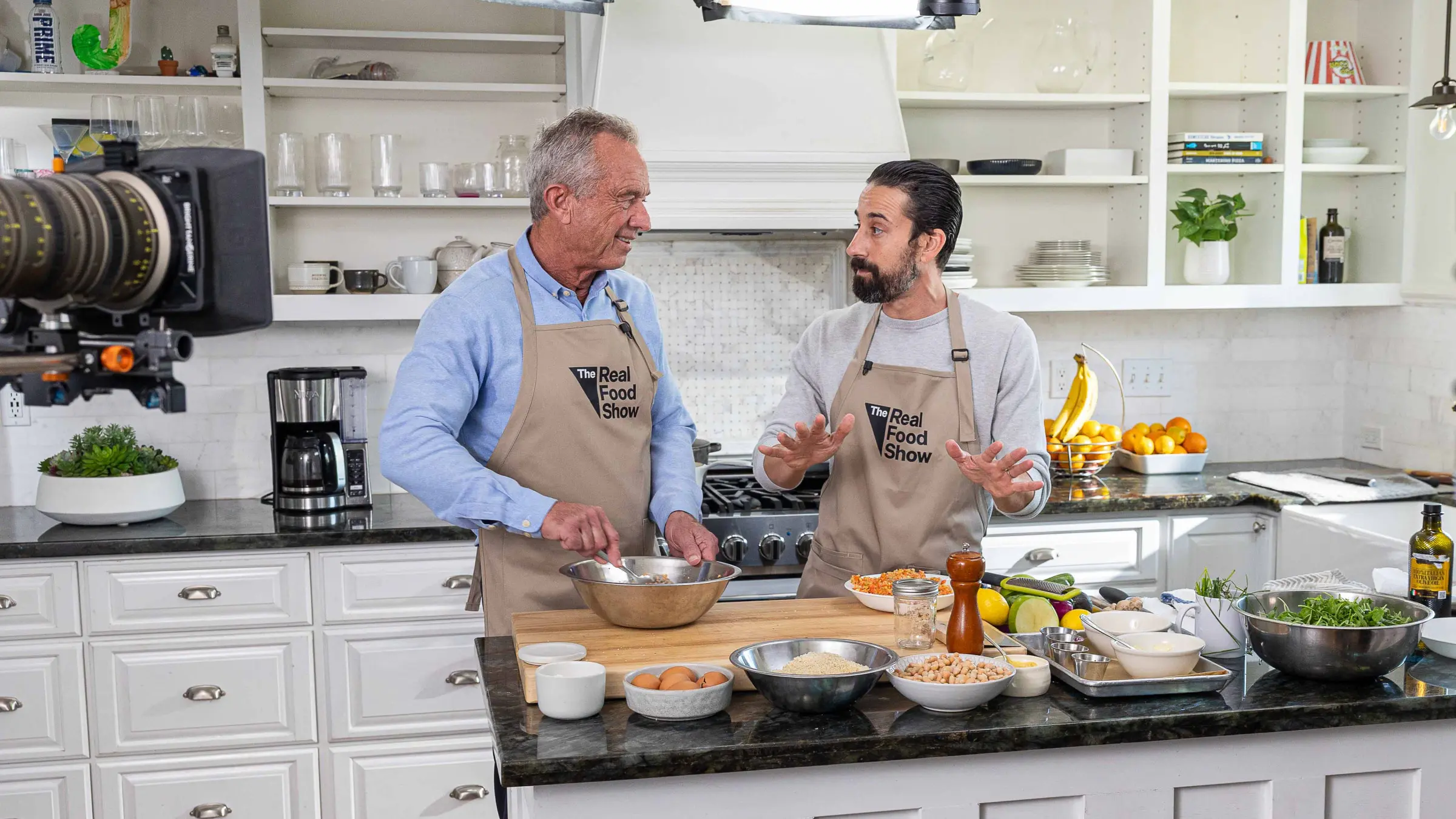
When Health and Human Services Secretary Robert F. Kennedy Jr. launched The Real Food Show, extra virgin olive oil (EVOO) was among the ingredients he used to prepare a healthy meal on a budget.
That may seem unremarkable, but it runs counter to a persistent perception of EVOO in the United States. While olive oil is becoming increasingly common in American kitchens, EVOO is still often viewed as a premium ingredient—healthy and desirable, perhaps, but too expensive to be an everyday cooking oil.
The Real Food Show presents EVOO as both: a healthy choice and one that can fit into an affordable meal. Its inclusion also reflects a broader shift in how we think about dietary fats. Rather than treating all fats as something to minimize, current nutrition guidance recognizes the role of unsaturated fats, including those found in olive oil, as part of a healthy diet.
The government has done this before
The idea behind the show itself also has a surprisingly long history. The federal government has been trying to teach Americans how to eat well on a budget for nearly a century.
Andrew Coe and Jane Ziegelman's fascinating book A Square Meal: A Culinary History of the Great Depression tells how the economic crisis of the 1930s transformed the way Americans thought about food.
Faced with widespread hunger and shrinking household budgets, government agencies, nutritionists, and home economists had to address a practical problem: how to provide families with adequate nutrition on a budget.
They developed economical menus, published recipes, and demonstrated cooking techniques.
The Real Food Show follows a similar model: it takes the government's recommendations for a healthy diet and shows Americans how to turn them into affordable meals.
This time, EVOO is one of the ingredients.
Our thinking about dietary fat has changed
For much of the 20th century, nutrition advice focused heavily on calories and limiting dietary fat.
Today's guidance takes a different approach. The new Dietary Guidelines for Americans, released in January 2026, include olive oil as a primary cooking fat, while also including butter or beef tallow.
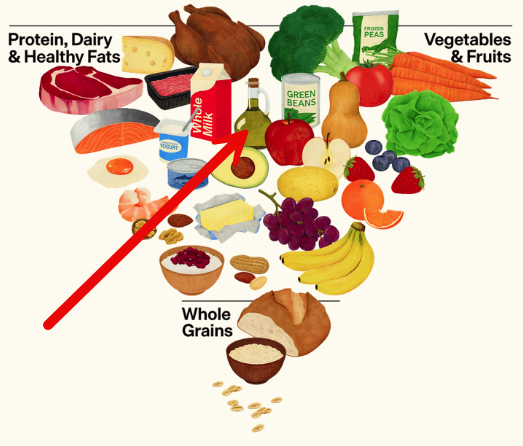
The message isn’t only that Americans can afford to cook with olive oil, it’s also that olive oil has a place in the healthy meals the government is encouraging Americans to prepare.
Is extra virgin olive oil really affordable?
EVOO isn't the cheapest cooking fat on the supermarket shelf, but shelf price doesn't tell the whole story.
Olive oil is generally used in relatively small amounts to sauté vegetables, dress salads, prepare beans and grains, make sauces, marinate foods, and finish dishes. On a per-serving basis, the cost can be modest.
The health benefits also add to its value. Extra virgin olive oil is rich in monounsaturated fats and contains naturally-occurring compounds such as polyphenols. Olive oil is also a central component of the Mediterranean diet.
The relevant comparison, then, isn't whether EVOO is the cheapest oil on the shelf. It's whether EVOO can fit within the budget for an affordable, healthy meal.
Kennedy's cooking demonstration shows that it can.
From immigrant food to American staple
For much of American history, olive oil was strongly associated with Mediterranean immigrant communities. It wasn't the default cooking fat in most American households.
Over the last century, the American food system increasingly embraced inexpensive industrial fats, convenience foods, and highly processed products.
Today, the direction is changing. The Mediterranean diet has become one of the world's most recognized healthy eating patterns, olive oil is familiar to far more American consumers, and federal health officials are encouraging Americans to cook more meals from basic ingredients at home.
Including EVOO in a government demonstration of affordable home cooking is another sign that olive oil's place in American food culture has changed.
Thinking about value, not just price
An affordable meal doesn't require using the cheapest version of every ingredient. EVOO may cost more than other cooking oils, but in the quantities used in a typical meal, the difference can be relatively small per serving.
A bottle of EVOO can be used across many dishes, adding flavor to inexpensive foods while providing well-established health benefits—another important part of its overall value.
Nearly a century ago, government nutritionists were trying to define an economical, nutritious meal for American families. The recipes have changed as well as our understanding of nutrition has changed. But the difference is that extra virgin olive oil is finally part of the conversation.
 The North American Olive Oil Association is committed to supplying North American consumers with quality products in a fair and competitive environment; to fostering a clear understanding of the different grades of olive oil; and to expounding the benefits of olive oil in nutrition, health, and the culinary arts. | © North American Olive Oil Association. All Rights Reserved.