.svg)
-1.svg)


Extra Virgin Alliance - The Olive Oils

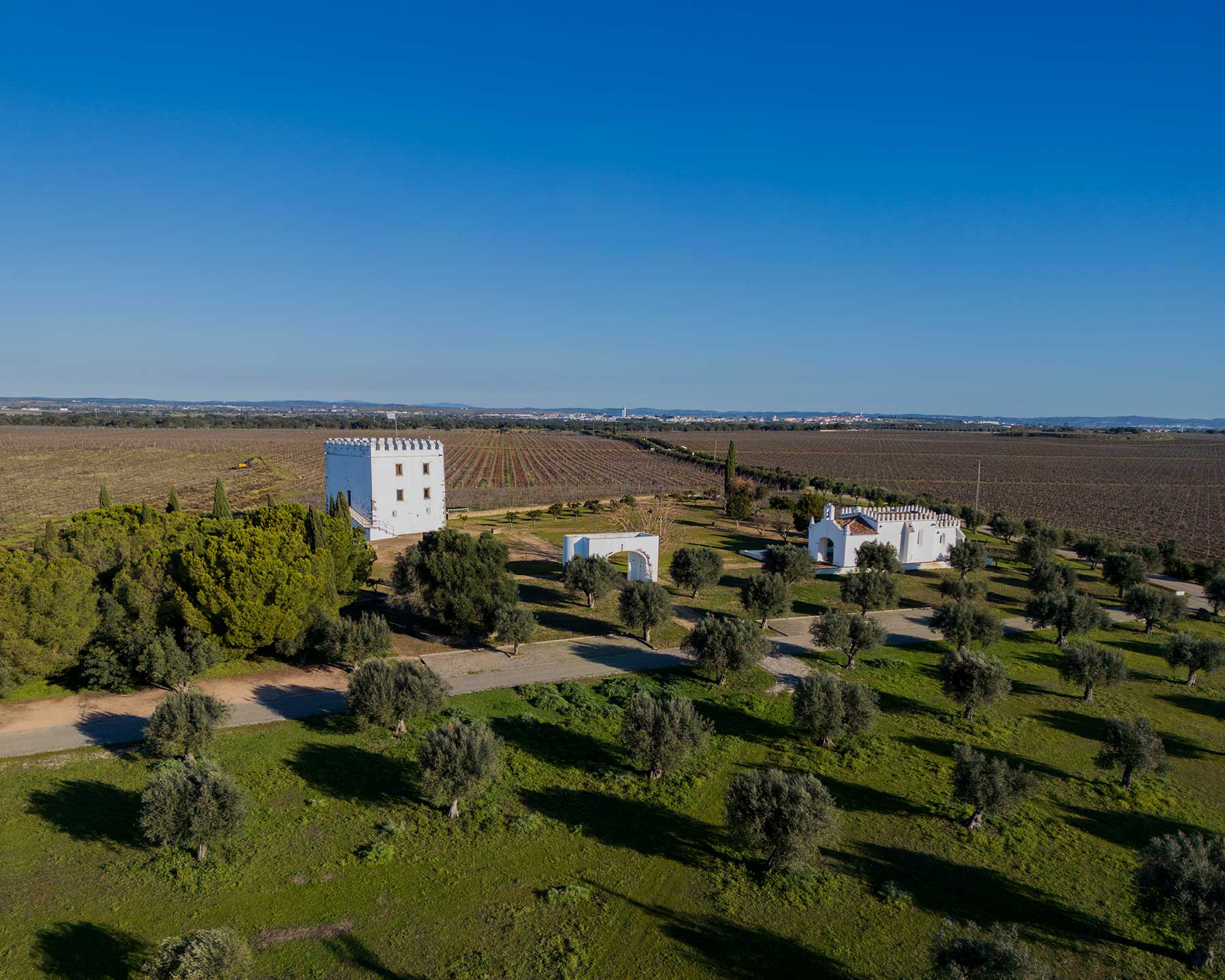
Herdade do Esporão

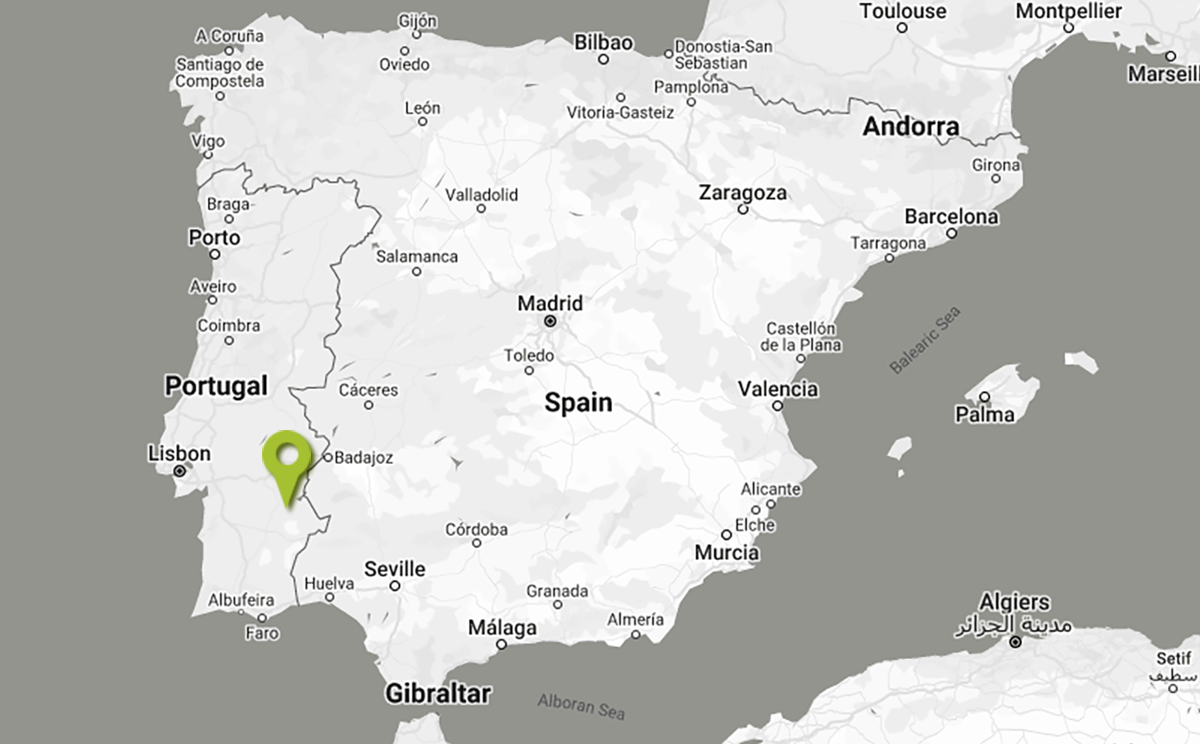
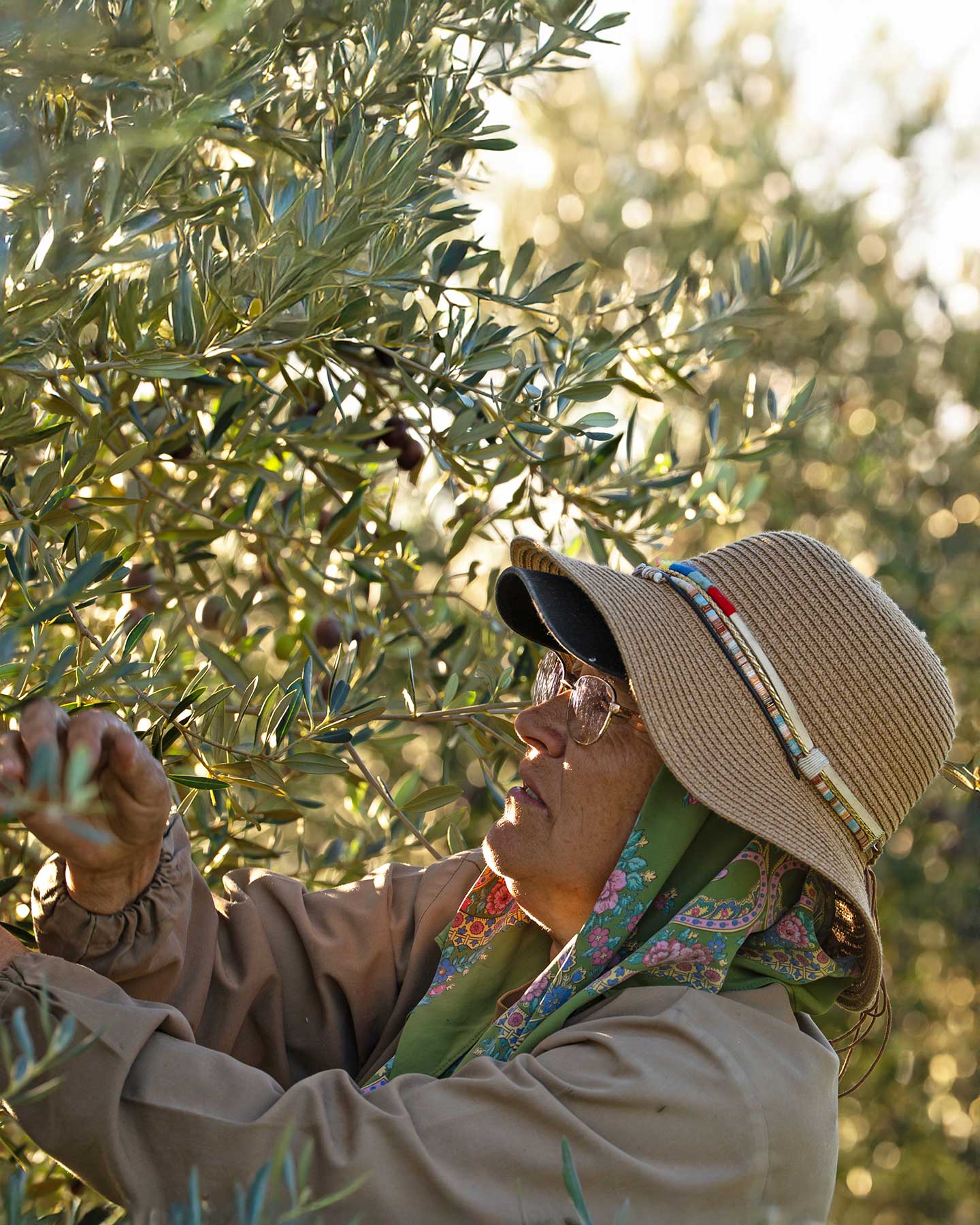
In addition to its own production, Esporão partners with more than 60 local farmers equally dedicated to preserving native olives and traditional Alentejo groves.
OUR MISSION
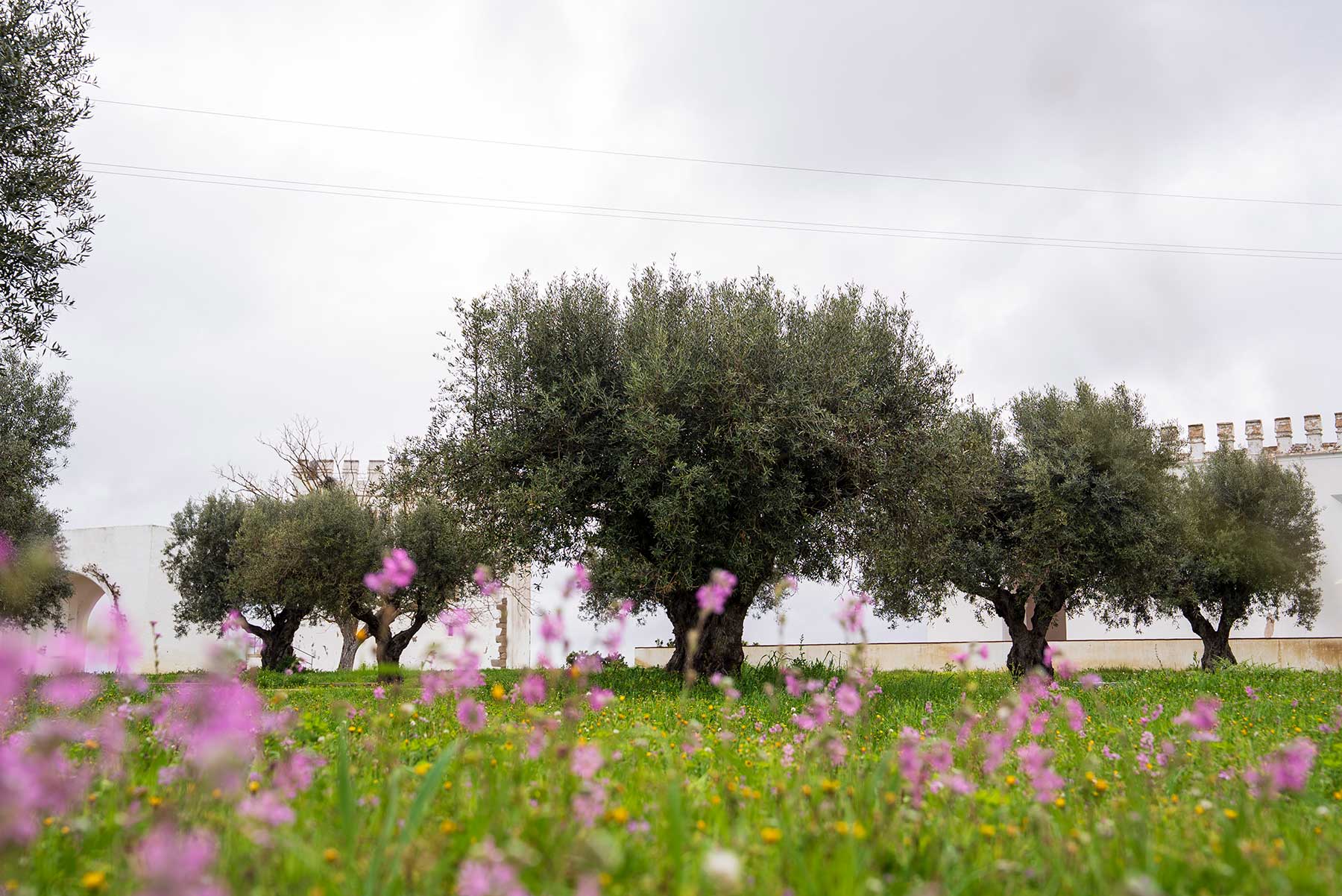
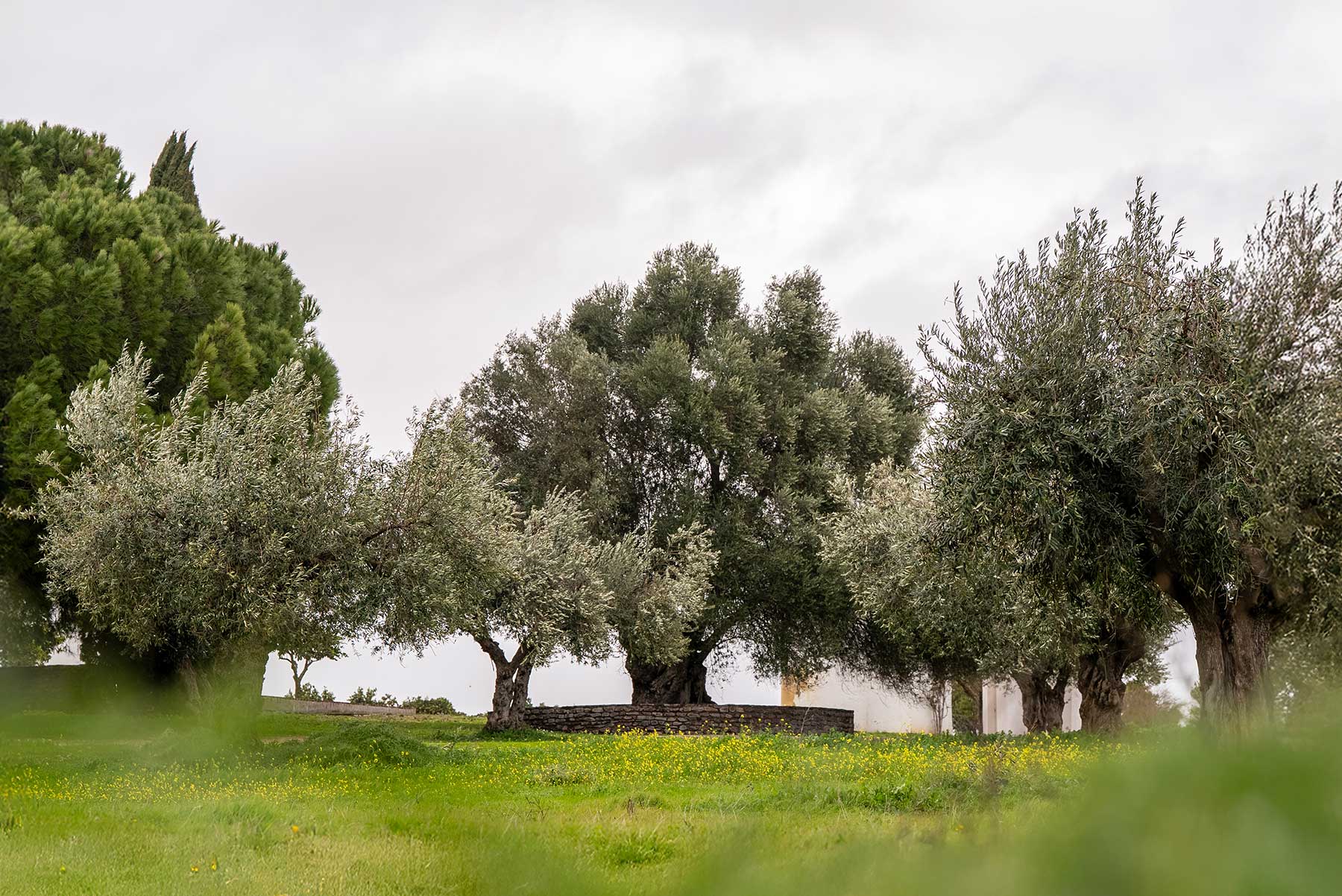
Esporão extra virgin olive oils are the expression of our land, the beautiful Alentejo region of Portugal. Our olive trees have been planted over time and are still here teaching and inspiring us every day.
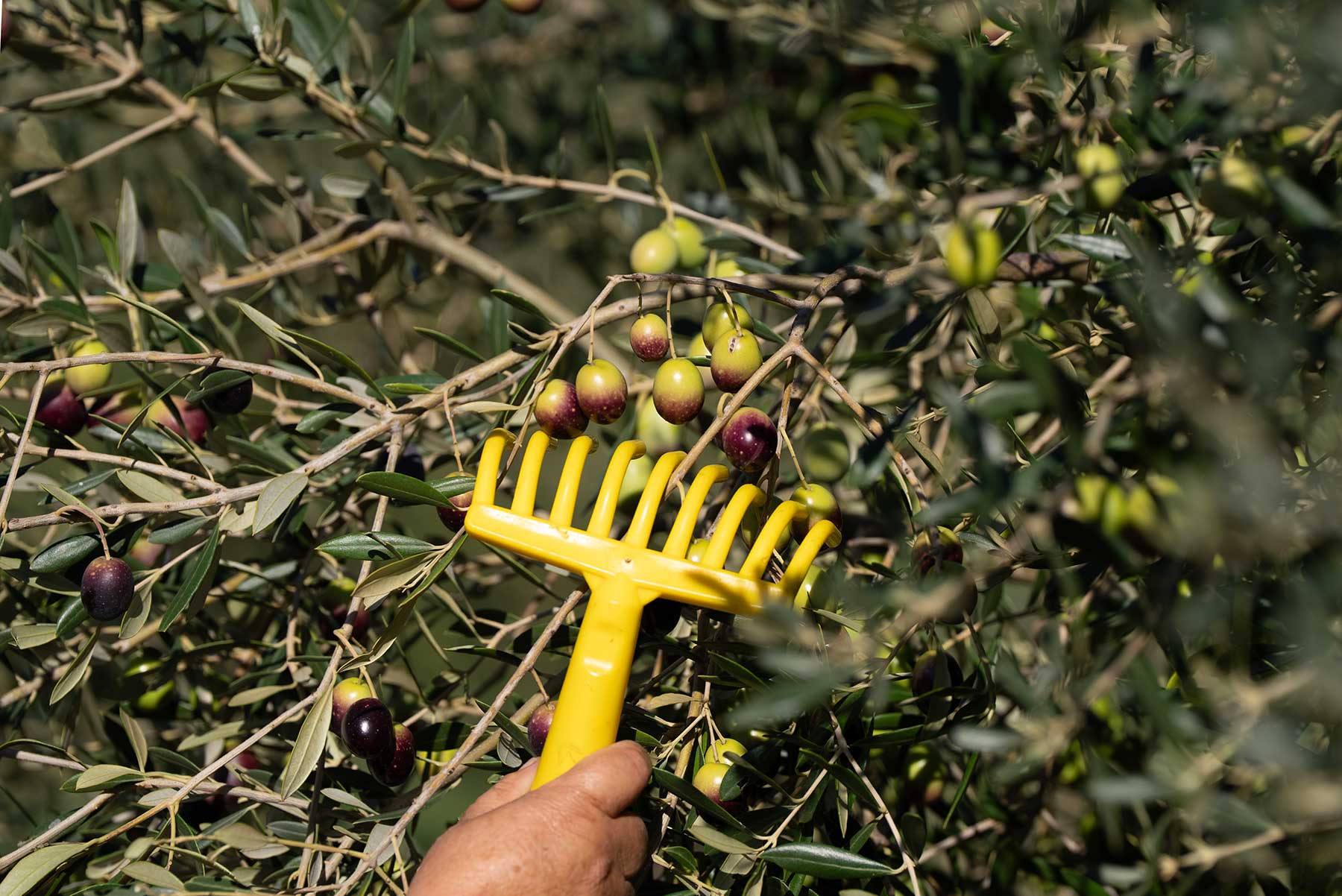
We protect native olive varieties that are carefully selected and cold pressed in our olive mill at the Esporão estate.
We only use sustainable processes to respect both nature and people, and to ensure that all the nutrients, aromas, and flavours are preserved.
THE OLIVE MILL
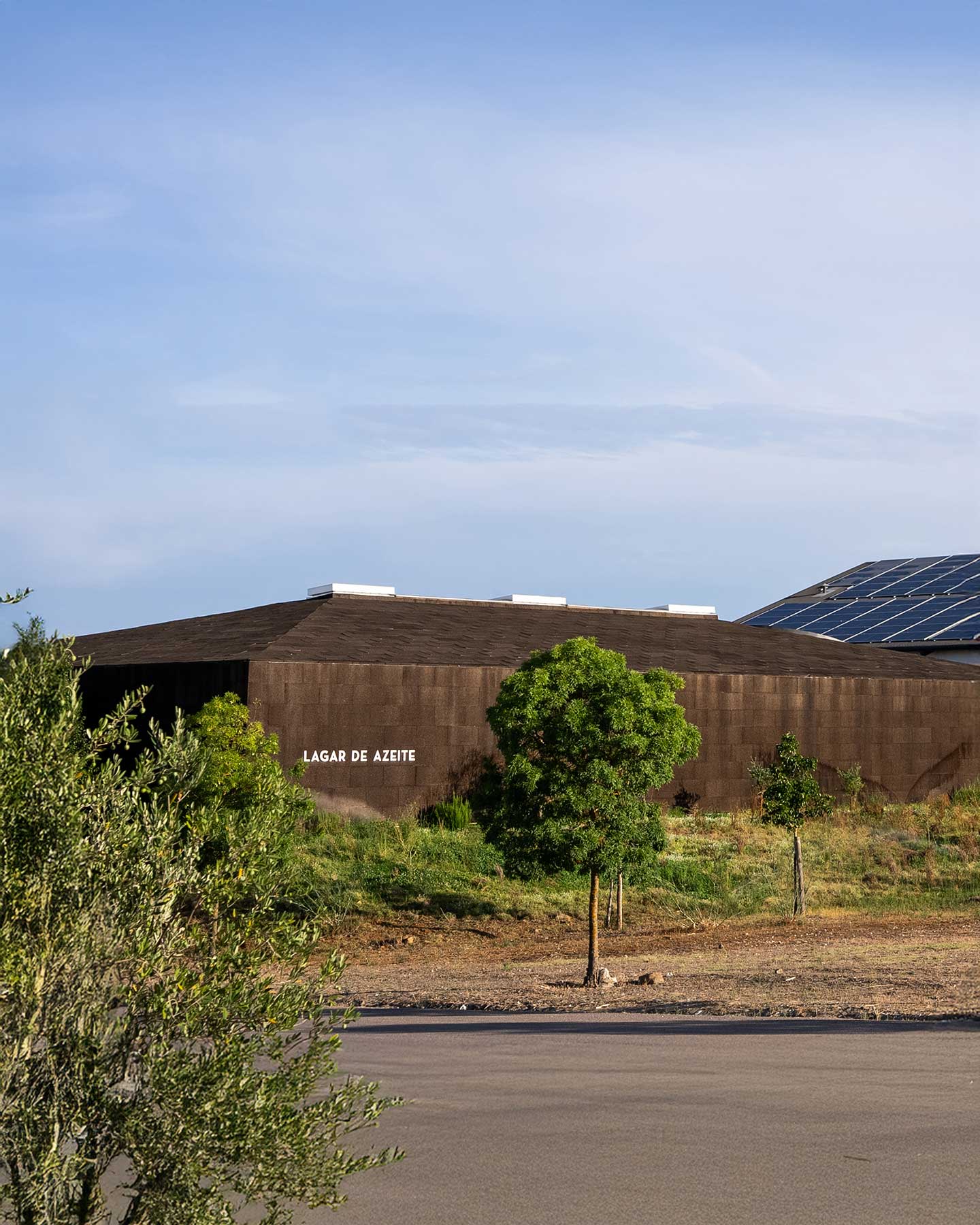
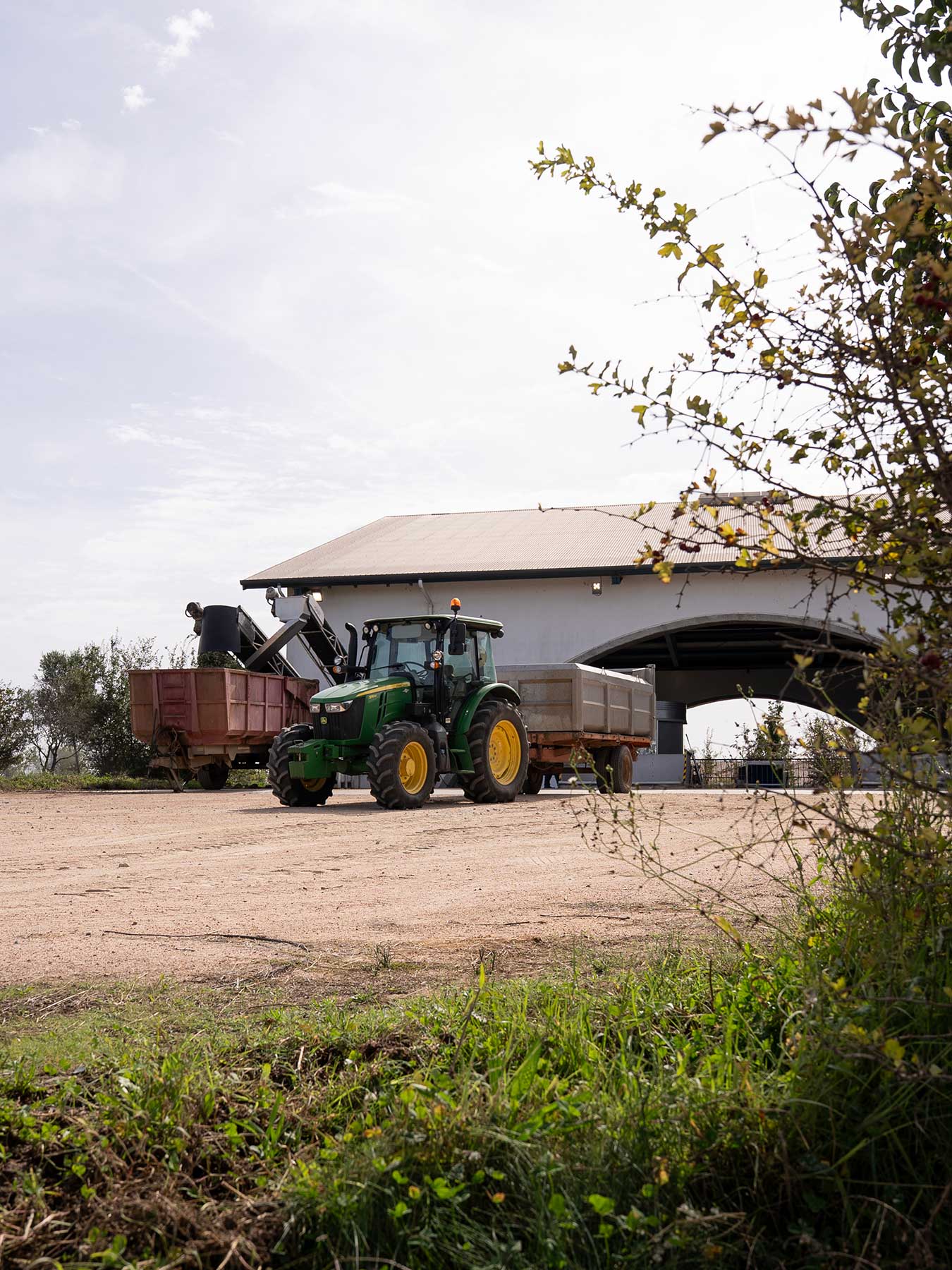
The Herdade do Esporão mill was designed and built in 2016 to adhere to circular economy principles by which all the olive oils are produced sustainably and nothing is lost in production. Within hours of the harvest, the fruit arrives in the mill for careful sorting by variety and quality before being pressed. Low temperature extraction ensures that the nutrients, aromas, and flavours are preserved.
OLEOLOGIST
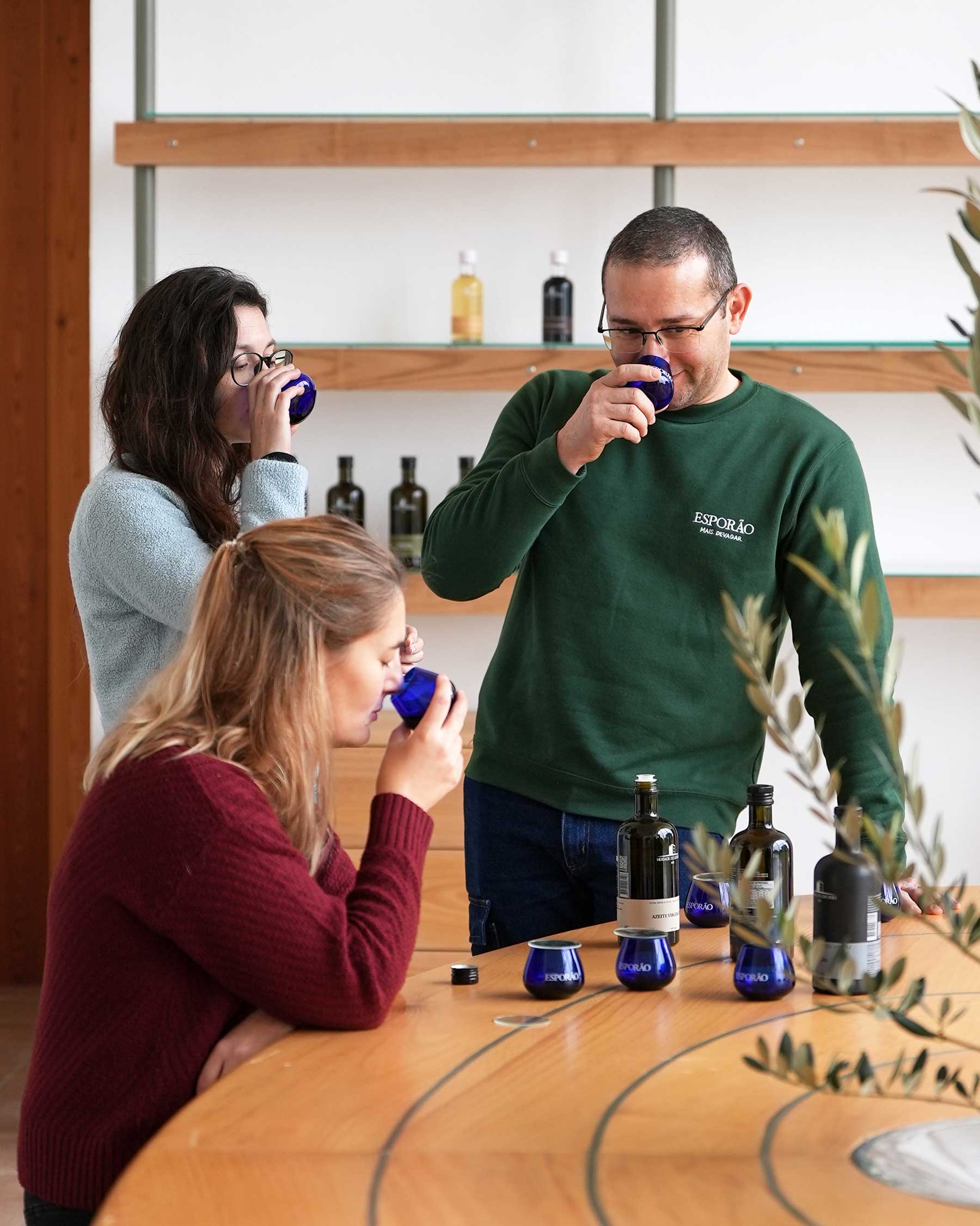
Ana Gaspar, who holds a degree in Food Engineering from Coimbra Agricultural School and a postgraduate qualification in Agronomy from Beja Agricultural School, currently manages olive oil quality and olive suppliers at Esporão.
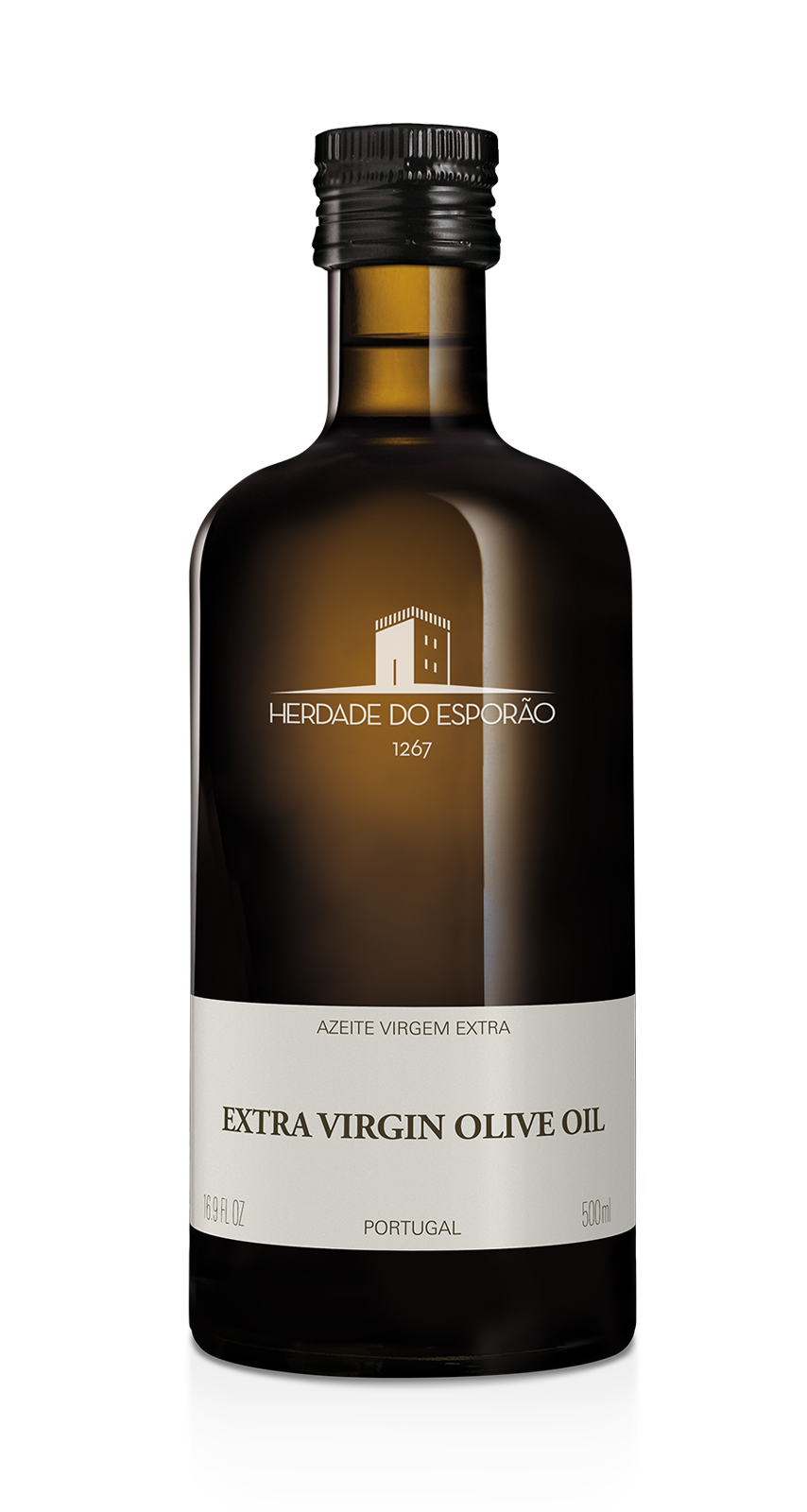
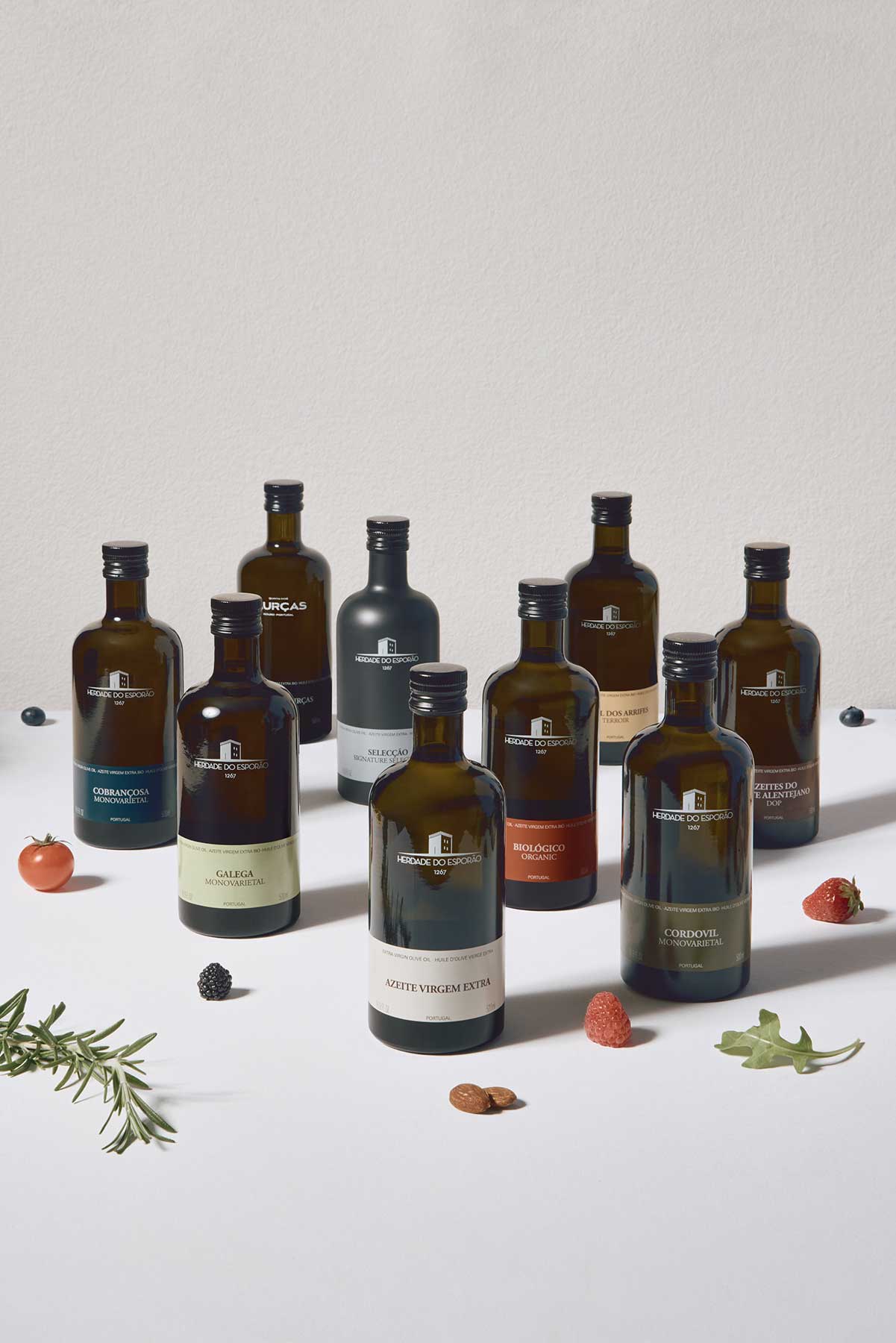
Herdade do Esporão Extra Virgin Olive Oil
Intensity:

Proper Storage
Use of inert gas blankets storage tanks / bottles and other methods for protecting quality (e.g. temperature controls in production, storage and/or shipping)
Tasting Notes
Label and/or website descriptions of the positive attributes—bitterness, pungency and the range of fruity flavors—and serving suggestions
Traceability
Offering consumers access to traceability information (e.g., QR Codes, blockchain, etc.) Special recognition given to third-party verification
Cultivars
Declaration on the label and/or the website of olive cultivar(s) used to produce the oil
Biodiverse Groves
Hedgerows, insectary planting, owl boxes, cover cropping, interplanting and other practices to bring more diversity to the plant, animal and microbial communities in the grove; recognition for certification programs
Habitat Restoration
Reforestation and rewilding projects
Sustainable
Sustainable and regenerative agricultural practices, including water conservation, organic material and mill by-product recycling/composting, cover cropping, soil building, renewable energy, etc
Family Owned & Operated
Brand is owned and operated by a family company
Small Farm Sourcing
Buys olives from family farmers
Progressive Purchasing
Sustainable and regenerative agricultural practices, including water conservation, organic material and mill by-product recycling/composting, cover cropping, soil building, renewable energy, etc
Community Programs
Involvement in community projects and philanthropy
Estate grown
Grown on a single estateHarvest:
October-December
Cultivar(s):
Cobrançosa, Galega, Arbosana, Azeiteira, Frantoio, Cordovil, and Picual
Tasting notes:
AROMA Fruity green and mature olives. Notes of fruit, grass, and leaves. PALATE Fresh, slightly bitter, and spicy with a finish of dried nuts.
Serving suggestions:
Excellent for cooking and frying a wide variety of recipes including soups, baking and roasting.
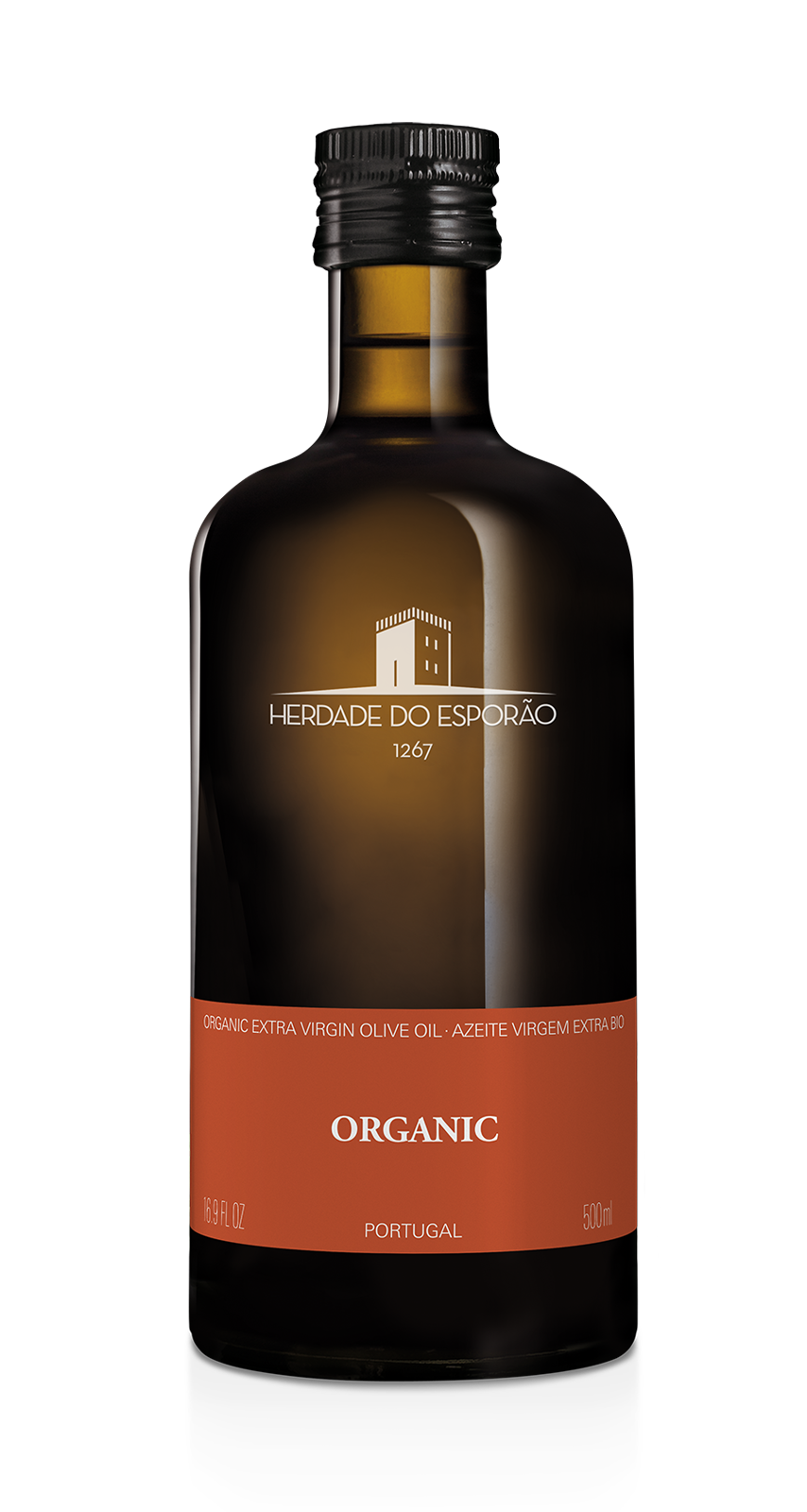
Herdade do Esporão Organic Extra Virgin Olive Oil
Intensity:
Proper Storage
Use of inert gas blankets storage tanks / bottles and other methods for protecting quality (e.g. temperature controls in production, storage and/or shipping)
Tasting Notes
Label and/or website descriptions of the positive attributes—bitterness, pungency and the range of fruity flavors—and serving suggestions
Traceability
Offering consumers access to traceability information (e.g., QR Codes, blockchain, etc.) Special recognition given to third-party verification
Cultivars
Declaration on the label and/or the website of olive cultivar(s) used to produce the oil
Biodiverse Groves
Hedgerows, insectary planting, owl boxes, cover cropping, interplanting and other practices to bring more diversity to the plant, animal and microbial communities in the grove; recognition for certification programs
Habitat Restoration
Reforestation and rewilding projects
Sustainable
Sustainable and regenerative agricultural practices, including water conservation, organic material and mill by-product recycling/composting, cover cropping, soil building, renewable energy, etc
Organic
Organic certification by government authorized agency
Family Owned & Operated
Brand is owned and operated by a family company
Small Farm Sourcing
Buys olives from family farmers
Progressive Purchasing
Sustainable and regenerative agricultural practices, including water conservation, organic material and mill by-product recycling/composting, cover cropping, soil building, renewable energy, etc
Community Programs
Involvement in community projects and philanthropyHarvest:
October-December
Cultivar(s):
Arbequina, Blanqueta, Cobrançosa, Galega and Picual.
Tasting notes:
AROMA Green grass, green apple, green and ripe tomato, arugula, artichoke, and banana peel. PALATE Complex, bitter, spicy and persistent.
Serving suggestions:
Ideal for finishing dishes, soups, tomato salad and pesto.
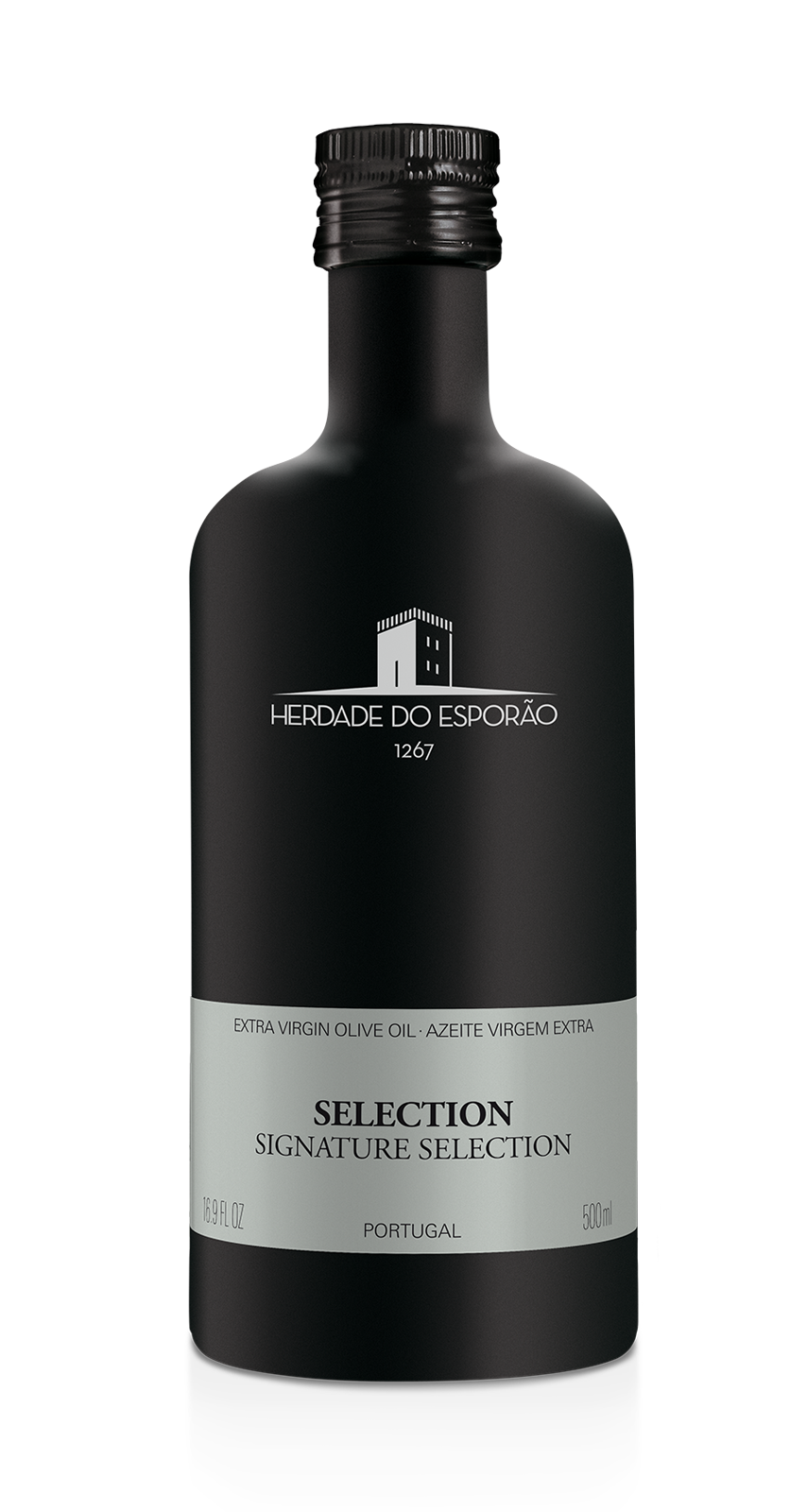
Herdade do Esporão Selecção Extra Virgin Olive Oil
Intensity:
Proper Storage
Use of inert gas blankets storage tanks / bottles and other methods for protecting quality (e.g. temperature controls in production, storage and/or shipping)
Tasting Notes
Label and/or website descriptions of the positive attributes—bitterness, pungency and the range of fruity flavors—and serving suggestions
Traceability
Offering consumers access to traceability information (e.g., QR Codes, blockchain, etc.) Special recognition given to third-party verification
Cultivars
Declaration on the label and/or the website of olive cultivar(s) used to produce the oil
Biodiverse Groves
Hedgerows, insectary planting, owl boxes, cover cropping, interplanting and other practices to bring more diversity to the plant, animal and microbial communities in the grove; recognition for certification programs
Habitat Restoration
Reforestation and rewilding projects
Sustainable
Sustainable and regenerative agricultural practices, including water conservation, organic material and mill by-product recycling/composting, cover cropping, soil building, renewable energy, etc
Family Owned & Operated
Brand is owned and operated by a family company
Small Farm Sourcing
Buys olives from family farmers
Progressive Purchasing
Sustainable and regenerative agricultural practices, including water conservation, organic material and mill by-product recycling/composting, cover cropping, soil building, renewable energy, etc
Community Programs
Involvement in community projects and philanthropyHarvest:
October-November
Cultivar(s):
Arbequina, Azeiteira, Blanqueta, Cobrançosa, Cordovil, Galega and Picual
Tasting notes:
AROMA Herbal, fresh cut grass, tomato vines, green and ripe tomato, banana peel. PALATE Elegant, balanced and complex, persistent with green walnuts
Serving suggestions:
Ideal for drizzling vegetables and greens, asparagus, grilled meat, finishing dishes or to simply dip bread.
 The North American Olive Oil Association is committed to supplying North American consumers with quality products in a fair and competitive environment; to fostering a clear understanding of the different grades of olive oil; and to expounding the benefits of olive oil in nutrition, health, and the culinary arts. | © North American Olive Oil Association. All Rights Reserved.