


Proposed Government Restrictions on Olive Oil Imports Could Lead to Shortages in the USA
Summary
Proposed Olive Oil Import Restrictions Could Mean Higher Prices and Fewer Choices
The U.S. imports about 98% of its olive oil, and Spain is the world's largest producer. New government restrictions on Spanish imports could drive up prices for all olive oils—not just those from Spain and potentially lead to shortages.
These restrictions are not yet in effect, and you have a chance to speak up. If you want to help keep olive oil affordable and accessible, share your comments with the Federal Maritime Commission and take our survey now!
Consumers, health professionals, and culinary experts increasingly appreciate olive oil for its taste, nutritional value, and health benefits. To supply olive oil to these stakeholders, it has become an important product for many U.S. businesses, including importers and producers, retailers, foodservice operators, restaurants, and food manufacturers.
It is therefore critical for all of these groups to be aware of a newly announced policy proposal from the Federal Maritime Commission (FMC) that, if adopted, may soon make it harder for Americans to buy olive oil.
The FMC is proposing restrictions on imports of Spanish products, including olive oil, over a political dispute about Spain’s port policy. A notice in the Federal Register is seeking public comment on this proposal before FMC takes any action.
NAOOA believes that political disputes should not come at the expense of U.S. health, businesses, and dietary choices, and that the olive oil trade is the wrong place to apply pressure.
Under federal nutrition policy, the Dietary Guidelines for Americans recommend prioritizing oils with essential fatty acids, “such as olive oil,” and the FDA has added olive oil to its “healthy” labeling rule.
A bottle of olive oil is at the center of the new Real Food dietary pyramid from the HHS and USDA. The HHS series "The Real Food Show" recommends olive oil as an essential healthy product for every American kitchen.
Domestic production, while generally of high quality, falls far short of meeting demand. U.S. retailers, restaurants, and food manufacturers rely on imports for about 98% of the olive oil Americans consume.
Industry analysts project that even with aggressive planting, expanding domestic production to meet 100% of U.S. demand would take several decades, as well as hundreds of thousands of additional acres now dedicated to other crops and significant water resources. Additionally, because import tariffs took effect 18 months ago, American consumers have already been paying higher prices.
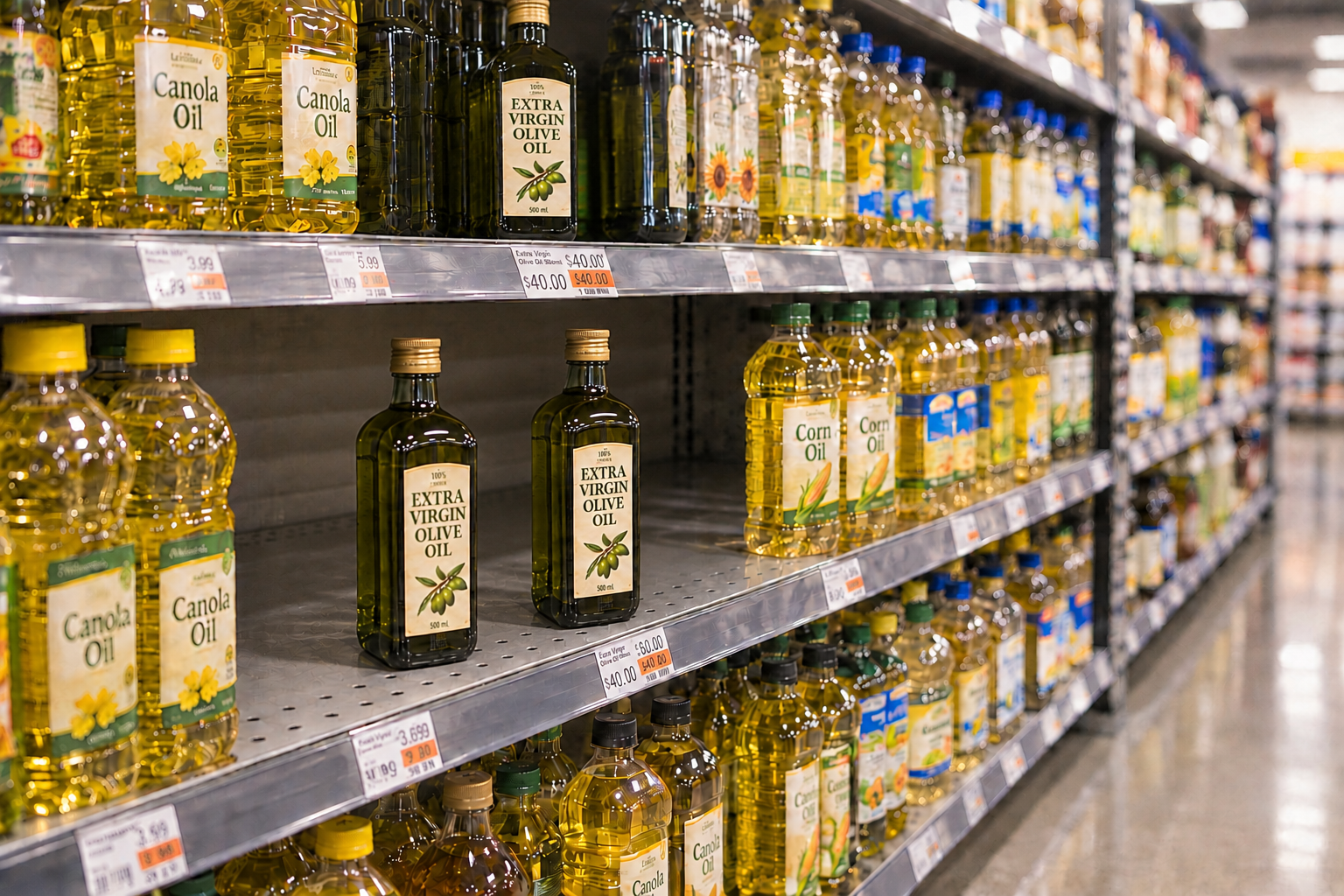
It is important to understand that if FMC's proposal were to be adopted, consumers could pay even more. That is because Spain produces close to 50% of the world's olive oil, and limiting its availability may create ripple effects across the entire olive oil category. As a result, U.S. consumers could see higher prices for all olive oils, regardless of origin, as well as possible product shortages.
For those working on the supply side, the impact is the same. Import restrictions could create increased sourcing costs, supply-chain challenges, and reduced product availability throughout the industry.
NAOOA believes that promoting olive oil as an essential part of a healthy diet is the right thing to do. We also believe that making olive oil more expensive and difficult to find will create frustration and send a contradictory message to Americans trying to adopt healthier diets and eating habits.
You have an opportunity to tell the FMC what you think by sharing your comments on its proposal here by December 14.
Your comments have the strongest impact when you submit them directly. NAOOA has also prepared the short survey below, and we'll collect the results and submit them to the FMC docket on behalf of those who respond (and give us permission to share them). We encourage you to do both. Please complete the NAOOA survey by Friday, December 4.
 The North American Olive Oil Association is committed to supplying North American consumers with quality products in a fair and competitive environment; to fostering a clear understanding of the different grades of olive oil; and to expounding the benefits of olive oil in nutrition, health, and the culinary arts. | © North American Olive Oil Association. All Rights Reserved.